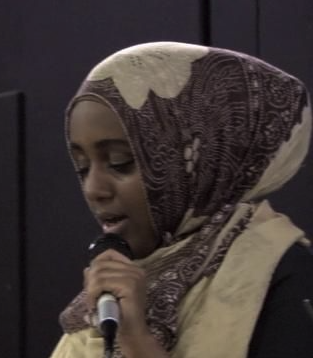
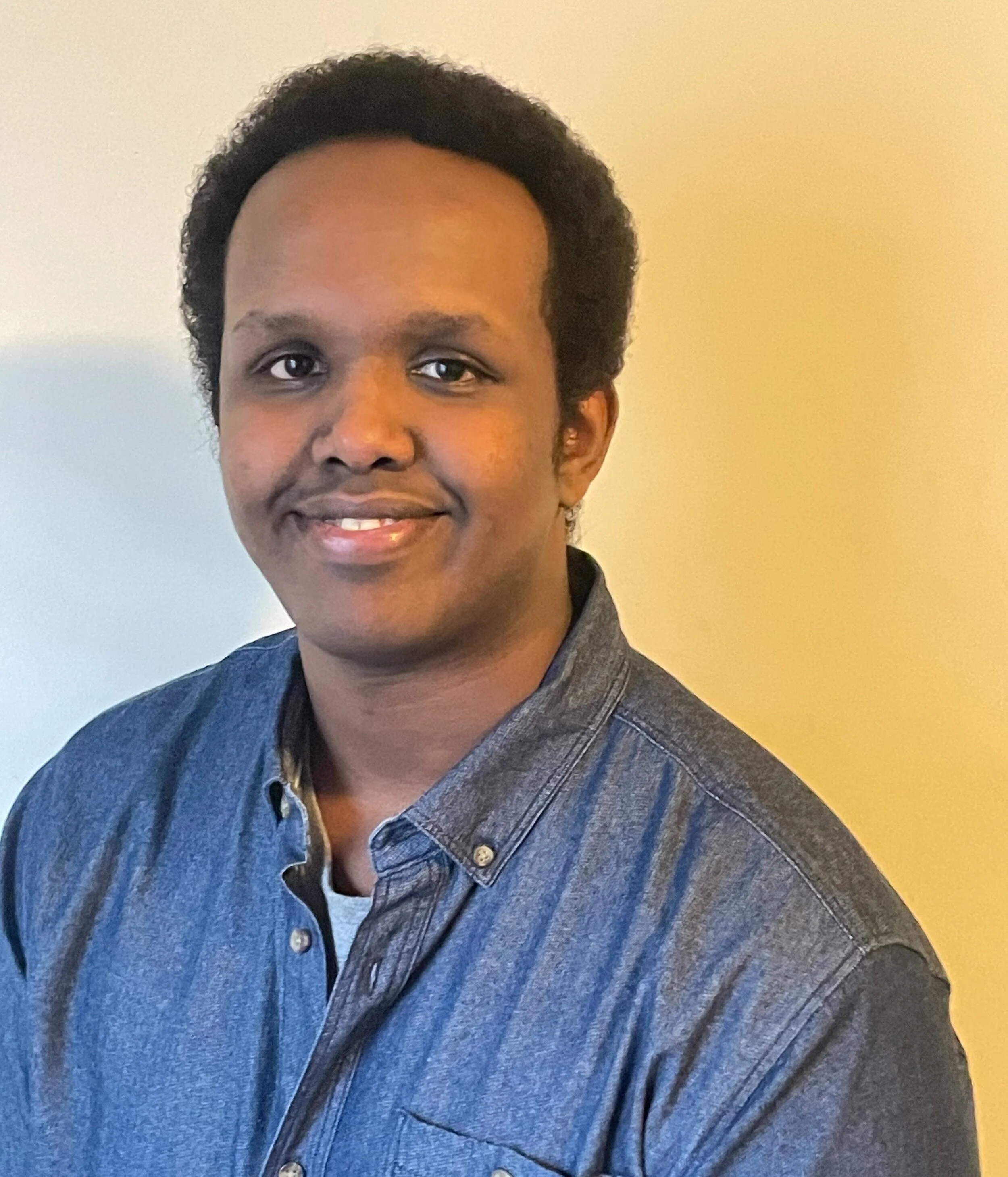
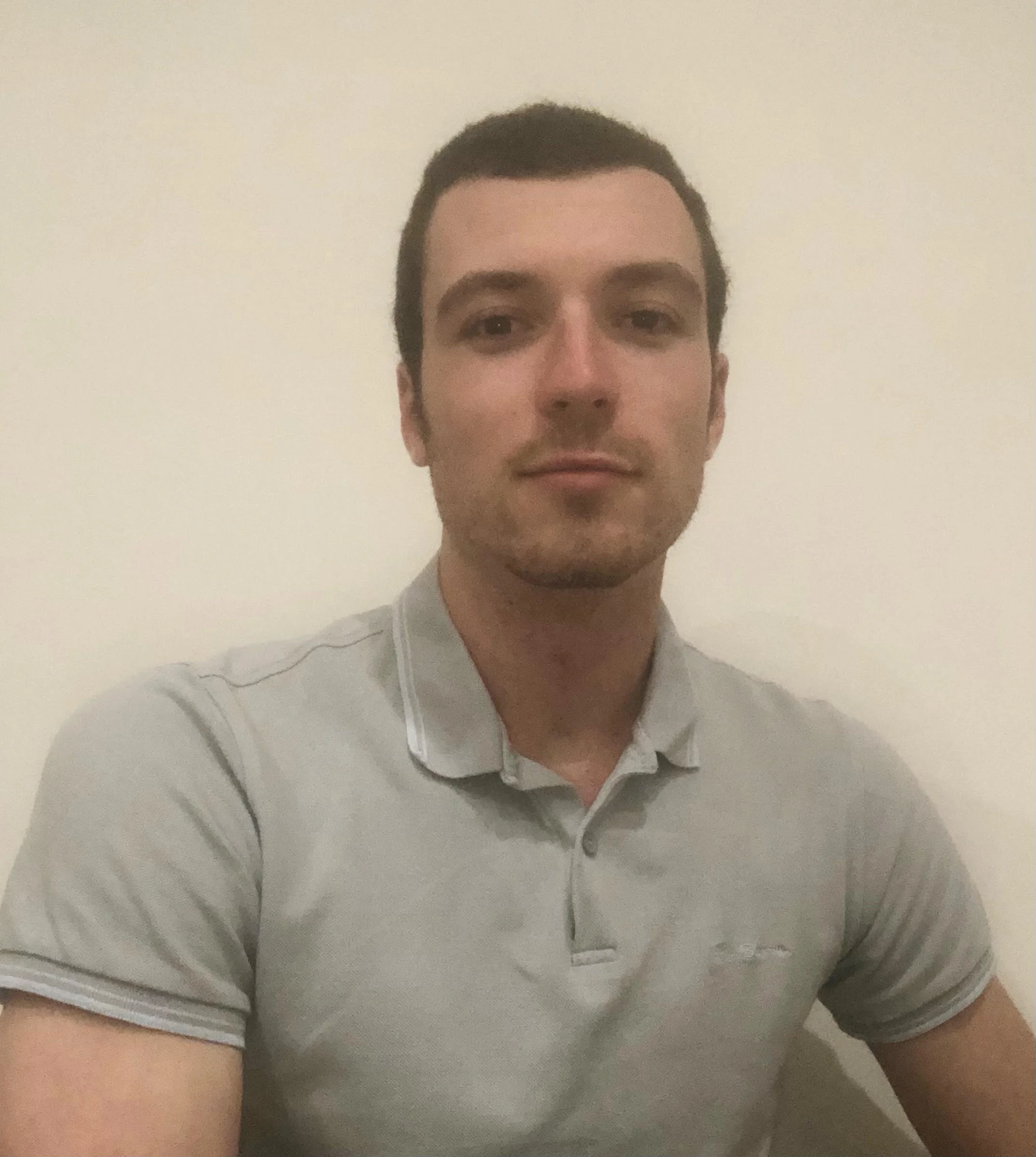
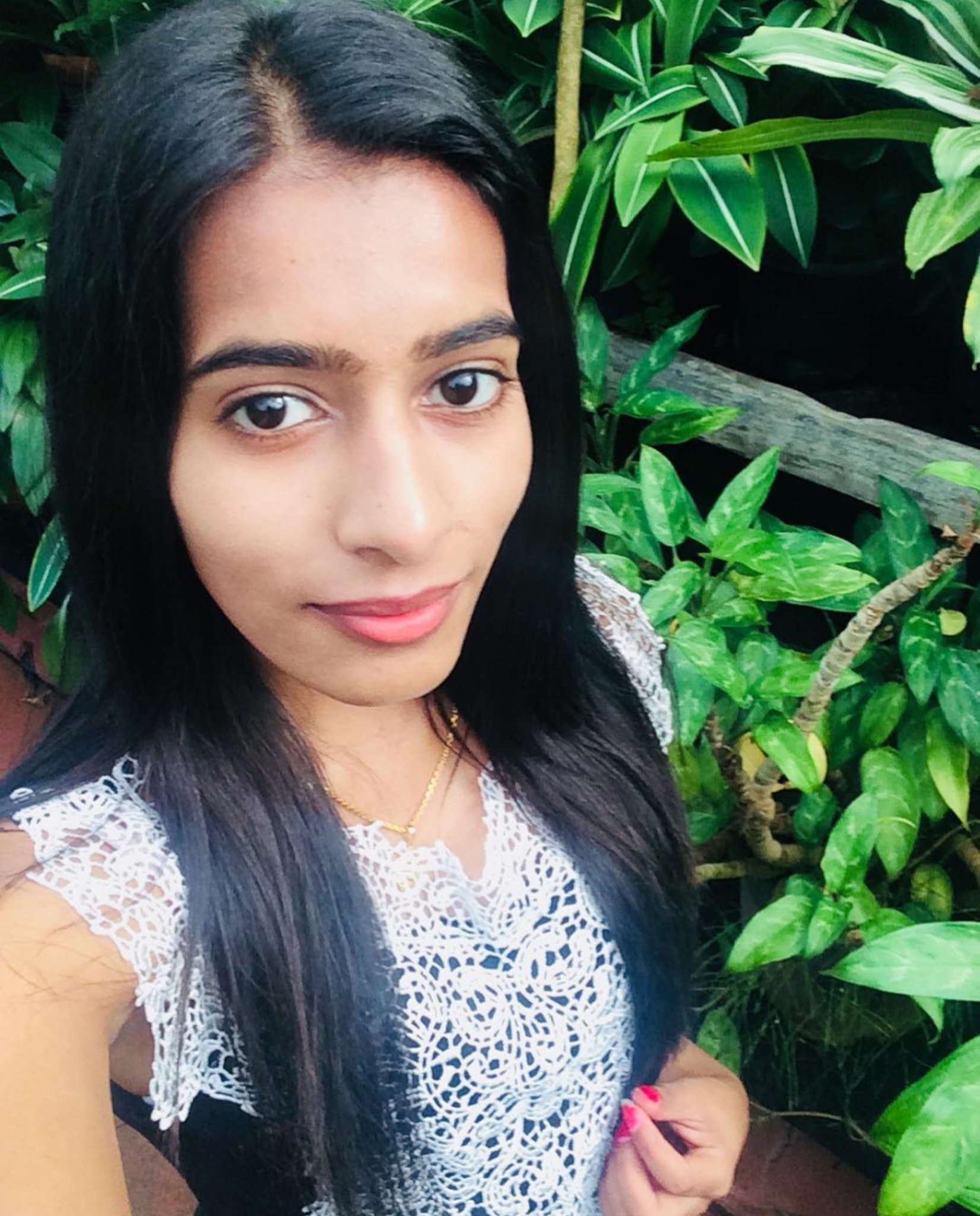
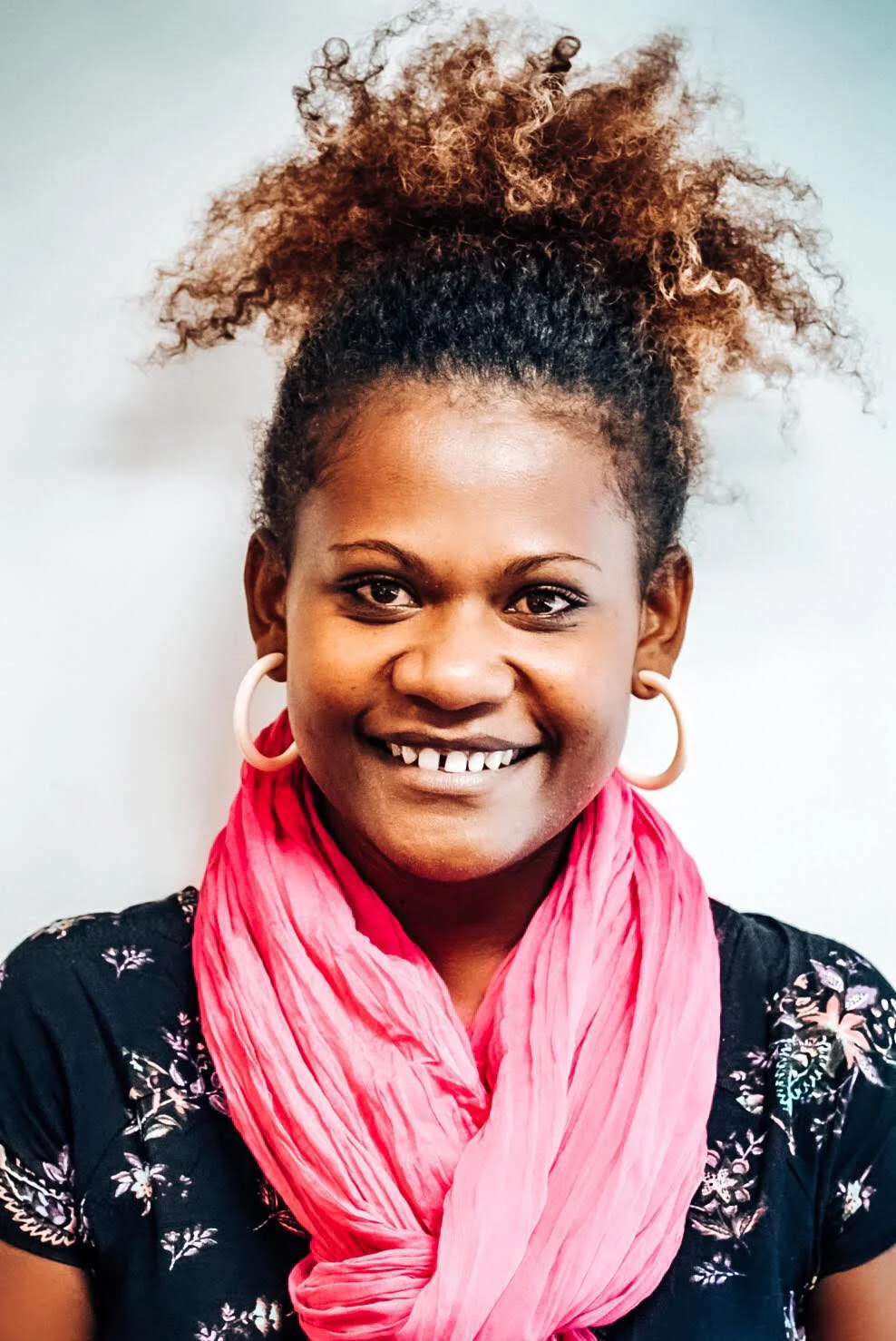
Describe yourself in 5 words.
Bold, Confident, Chill, Open-minded, Crazy
What made you decide to study Community Development? It’s very personal. As a young person in my community, young people look up to me. I feel I don’t have enough knowledge and skills to guide them on their pathway, help them find their answer to get them somewhere different or realise where they are. I’m involved with many issues in my country, Vanuatu, especially gender inequality.
I want to find ways, not solutions, but ways for people to overcome their problems. I don't like the term “solutions”; solutions is a big vision, “ways” are little things that you find and do that could impact a person’s life in the short term. Solutions are massive, you only know what happens in the moment, finding small ways to make a difference is a more manageable way to look at it than trying to find one big solution. We need to focus on the cause of problems, without overlooking the little things. There’s never one right approach for each situation.
As a community development student, I think that it is so important that we recognise our power while working in communities. In my country, when there are people who have degrees and are working in communities, often the formally educated people receive more respect than the viewpoint of those who don’t even though everyone has something to say that is of equal value. When I am working in the community, I want to remind myself everyday that just because I have a degree does not necessarily mean I know what is right in every situation.
What is the social issue you are the most passionate about? If you could do anything to solve this social ill, what would it be?
Gender inequality, particularly in my country, Vanuatu.
And mental health. In my country, I would for sure, use knowledge and skills gained from this country to help people in Vanuatu. To create awareness about mental health. Empower women to focus on their own mental health and become aware of their situation so that they can address their situation.
What career path do you see yourself taking after graduation?
Working as an analytic consultant on different programs about gender to ensure that policies are being implemented. Or creating new policies relevant to the current issues to do with gender. Helping create new norms of behaviour around gender equality. We have to be creative to ensure the message gets through.
When you were a kid, what did you want to be when you grew up?
I wanted to be a teacher because when I was a kid at school I had a horrible school. They used corporal punishment and because I was the class captain, I was punished on behalf of the class. I wanted to change the education system, make it more encouraging for people to express themselves, use their skills and their creativity, explore options. Instead of it being an oppressive environment which ignores what people want to do as individuals.
What is the biggest adventure/highlight of the past few years?
In 2018, I went travelling across Europe: France, Spain and England. I saw Macklemore in concert in Paris and Yemi Alade in concert in London.
What does justice mean to you?
Justice for me is access to services, equal opportunity.
What is your leadership style?
Communication. Educating people, inspiring, encouraging. Putting myself in others shoes in order to understand how they want to hear things. Listening. Understanding. Using communication techniques so that people can hear what I'm saying, rather than getting defensive. It’s important to wait for the right time to say things so they can hear. Explain things to people to help them understand other points of view. Advocacy. Non-violence.
Where does your passion for justice come from?
Pain and anger. These feelings are a personal experience. The pain and anger that I’ve experienced has fuelled me to protect other people.
Can you remember a time, in your working life or any part of your life, when you felt really empowered, confident, like you knew exactly what you were doing and working towards?
I once started a protest to end sexual harassment.
One of the big international non-governmental organisations in my country had seen an online campaign that I had started and wanted to fund it and take it on as one of their projects. I knew that being able to utilise their funding, resources and networks would really help to increase the reach of the campaign, but I also knew that it was important to be able to retain my independence to safeguard the integrity of the campaign.
It worked out well, as this organisation gave me the freedom to run the campaign. I designed the protest in the way that I wanted, while being in line with the professional values and ethics of the organisation. I felt empowered because I used my creativity, my knowledge and my skills to create it. I went to schools and organisations to educate people about sexual harassment. I travelled around the country to run workshops on sexual harassment. I used social media and my photography skills to create a stronger presence. I spoke to organisations across different sectors about their harassment policies - I even spoke nightclub owners!
As a result of the campaign, we succeeded in holding the protest. It was a silent protest. People lined up on the street for 2 kilometres, in silence, to communicate their message about ending sexual harassment.
The fact that the organisation honoured the project as mine, and allowed me to do it my way, created a huge sense of confidence and empowerment in myself.
How can you recreate this in your life now and in the future?
I founded an organisation in my country (Vanuatu), called the ‘Feminist Library’ in my country. As a leader of my organisation, I am committed to our values and to doing it local - doing it with my community, and doing it our way. Having this opportunity to be a leader and have a meaningful role to play gives me confidence and a sense of empowerment.